

HPMC / Hydroxypropyl methyl cellulose CAS 9004-65-3
Hydroxypropyl Methylcellulose (HPMC) is a high-performance multifunctional additive that plays an irreplaceable role in many industries such as construction, medicine, and food.
Description
Introduction to HPMC / Hydroxypropyl methyl cellulose CAS 9004-65-3
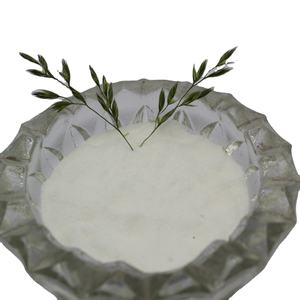
Hydroxypropyl Methylcellulose (HPMC), whose Chinese name is hydroxypropyl methylcellulose, is a semi-synthetic, non-ionic cellulose ether obtained by chemically modifying natural cellulose. This white powder can form a transparent viscous solution after dissolving in water. It has excellent thickening, water retention, stability and film-forming properties. It is an indispensable multifunctional additive in many fields such as construction, medicine, and food.
Characteristics and advantages of HPMC / Hydroxypropyl methyl cellulose CAS 9004-65-3
Excellent water solubility: It can be quickly dissolved in cold water to form a clear and stable solution.
Efficient thickening and water retention ability: Increase the viscosity of the material, effectively reduce water evaporation, and improve work efficiency.
Good stability: It has good stability to acids, alkalis, and salts, and is suitable for a wide range of pH values.
Film-forming and protective effects: After drying, it forms a tough and transparent film to protect the substrate and prevent water penetration and evaporation.
Non-toxic and non-irritating: It has good biocompatibility and is suitable for the fields of medicine and food.
Adjustability: By changing the degree of substitution and molecular weight, its performance can be adjusted to meet different application requirements.
(HPMC / Hydroxypropyl methyl cellulose CAS 9004-65-3)
Parameter of HPMC / Hydroxypropyl methyl cellulose CAS 9004-65-3
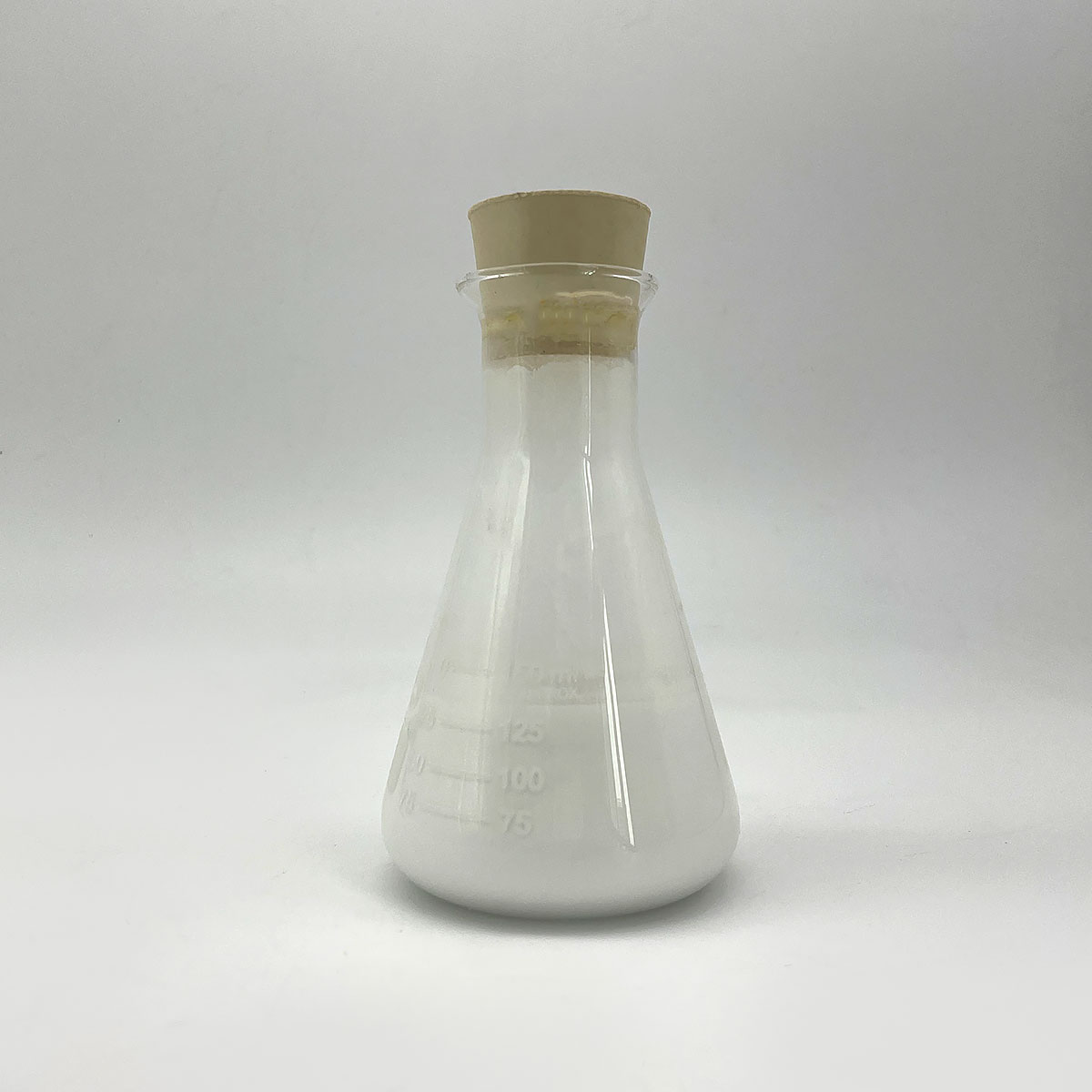
HPMC is a hydroxypropyl methyl cellulose (HPC) polymer found in various applications such as food packaging and. HPC is a non-toxic and environmentally friendly material that has been used for many years due to its excellent properties.
One of the main characteristics of HPC is its high heat resistance, which makes it suitable for use in a wide range of industrial processes. It can also withstand high temperatures and has excellent mechanical strength, making it ideal for use in packaging materials that require high durability.
Another important property of HPC is its ability to be produced with a low amount of waste. This makes it an attractive choice for those looking to reduce their environmental impact while still producing high-quality products.
One of the key factors that make HPC popular is its sustainability. The manufacturing process for HPC uses recycled plastic and minimizes waste by using alternative methods of production. This makes HPC an eco-friendly option for businesses that want to minimize their environmental footprint while still meeting the needs of consumers.
Overall, HPC is a versatile and sustainable material that offers several advantages over other polymer options. Its high heat resistance, mechanical strength, and versatility make it an excellent choice for many industries. By using HPC in a responsible and sustainable manner, companies can ensure that they meet the demands of both customers and the environment.
(HPMC / Hydroxypropyl methyl cellulose CAS 9004-65-3)
Company Profile
Foamed Concrete Services is a trusted global metal material supplier & manufacturer with over 12-year-experience in providing super high-quality concrete additives and relatives products.
The company has a professional technical department and Quality Supervision Department, a well-equipped laboratory, and equipped with advanced testing equipment and after-sales customer service center.
If you are looking for high-quality concrete materials and relative products, please feel free to contact us or click on the needed products to send an inquiry.
Payment Methods
L/C, T/T, Western Union, Paypal, Credit Card etc.
Shipment
It could be shipped by sea, by air, or by reveal ASAP as soon as repayment receipt.
Application of HPMC / Hydroxypropyl methyl cellulose CAS 9004-65-3
Construction industry: As an additive for cement mortar, it improves the construction performance of tile adhesive, putty powder, self-leveling mortar, etc.
Pharmaceutical industry: Used as tablet coating material, adhesive, disintegrant to improve the stability and release characteristics of drugs.
Food industry: As a stabilizer, thickener and film former, it is used in ice cream, jam, baked goods, etc.
Cosmetics industry: As a thickener and film former, it is used in products such as lotions, creams, shampoos, etc. to enhance the texture of products.
Textile and papermaking industry: As a sizing agent and sizing agent, it improves the processing performance of fibers and the quality of paper.
5 FAQs of HPMC / Hydroxypropyl methyl cellulose CAS 9004-65-3
Q: Is HPMC / Hydroxypropyl methyl cellulose CAS 9004-65-3 harmful to the human body?
A: HPMC / Hydroxypropyl methyl cellulose CAS 9004-65-3 is non-toxic and widely used in the fields of medicine and food with high safety.
Q: What is the main role of HPMC / Hydroxypropyl methyl cellulose CAS 9004-65-3 in building mortar?
A: It mainly increases the water retention and workability of mortar, reduces shrinkage cracks, and improves bonding strength.
Q: What is the solubility of HPMC / Hydroxypropyl methyl cellulose CAS 9004-65-3 at different temperatures?
A: HPMC / Hydroxypropyl methyl cellulose CAS 9004-65-3 can be dissolved in cold water, but the dissolution speed increases with the temperature, and it dissolves more completely at high temperature.
Q: How to choose the right HPMC / Hydroxypropyl methyl cellulose CAS 9004-65-3 model for a specific application?
A: It is necessary to select products with appropriate degree of substitution and molecular weight based on factors such as application area, required viscosity, water retention, and dissolution speed.
Q: Are there any restrictions on the use of HPMC / Hydroxypropyl methyl cellulose CAS 9004-65-3 in food?
A: HPMC / Hydroxypropyl methyl cellulose CAS 9004-65-3 has been approved for use as a food additive in many countries, but it still needs to comply with food safety regulations and limit standards in various regions.
(HPMC / Hydroxypropyl methyl cellulose CAS 9004-65-3)


