
The Role of Foaming Agents in Creating Stable Air Bubbles in Concrete
Key takeaways
- Foaming agents are surfactant-based admixtures that introduce and stabilize air bubbles in concrete.
- Stable air bubbles are essential for producing lightweight foamed concrete with thermal insulation properties.
- Bubble stability depends on agent type, concentration, mixing conditions, and chemical compatibility.
- Foamed concrete is used in insulation, void filling, and lightweight structural applications.
What Are Foaming Agents and Why Are They Used in Concrete?
Foaming agents are chemical admixtures that introduce stable air bubbles into concrete or mortar mixtures. Their primary role is to generate a controlled foam; when mixed with cement paste, this foam creates a lightweight cellular structure. This process is essential for producing foamed concrete, a cellular concrete type that offers reduced density, improved thermal insulation, and lower structural load.
The stability of the air bubbles is critical: if bubbles collapse prematurely, the concrete loses its intended properties. Foaming agents reduce the surface tension of water, allowing air to be entrained and stabilized within the mix. Superplasticizer admixtures can further reduce water content, enhancing stability. They are typically surfactant-based compounds that form a film around each bubble, preventing coalescence.
Without foaming agents, achieving uniform and lasting air voids in concrete would be difficult. Their application spans from insulation layers to void filling, where controlled density and thermal performance are required.
| Aspect | Description |
|---|---|
| Primary Role | Introduce and stabilize air bubbles to create lightweight concrete |
| Mechanism | Reduce surface tension, form surfactant film around bubbles |
| Stability Factors | Agent type, concentration, mixing process, pH compatibility |
| Applications | Thermal insulation, void filling, lightweight screeds |
| Benefits | Reduced density, improved insulation, sound absorption |
| Limitations | Lower compressive strength compared to normal concrete |
How Foaming Agents Work to Stabilize Air Bubbles
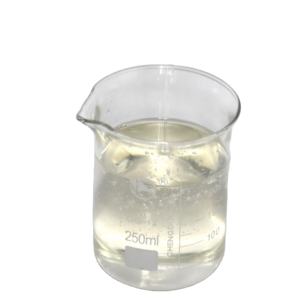
Foaming agents stabilize air bubbles by reducing surface tension and forming a film. Added to water and mechanically agitated, they produce a foam of small, discrete bubbles. The surfactant molecules align at the air-water interface, with hydrophilic heads in water and hydrophobic tails in air, creating a flexible film that resists rupture.
Stability depends on the type and concentration of the foaming agent, the mixing process including pre-formed foam techniques, and the presence of other admixtures. High-quality foaming agents produce bubbles that remain intact until the concrete sets, ensuring a consistent pore structure. Water-cement ratio, temperature, and mixing time also affect bubble stability.
Using agents compatible with cement chemistry enhances foam durability. Some agents are designed to withstand alkaline conditions, while others are optimized for rapid setting. The choice of foaming agent directly impacts the final concrete's density, strength, and insulation properties.
Key Applications and Benefits of Foaming Agents in Concrete
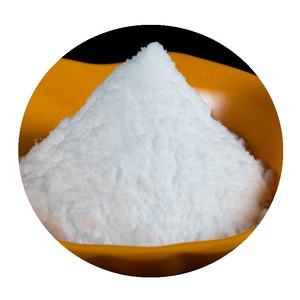
Foamed concrete produced with foaming agents is used in applications where weight reduction is beneficial, such as roof insulation, floor screeds, and trench filling. The stable air voids significantly lower the concrete's density, making it easier to handle and reducing dead load on structures.
Thermal insulation is another major benefit: trapped air bubbles impede heat transfer, improving energy efficiency in buildings. Foamed concrete also has good fire resistance and sound absorption properties. Thus, the role of foaming agents is not only to create bubbles but also to ensure they remain uniformly distributed and stable during placement and curing.
While foamed concrete generally has lower compressive strength than normal concrete, it can be tailored by adjusting the foam volume. This versatility makes it a valuable material for non-structural and semi-structural applications.
Factors Affecting Bubble Stability in Foamed Concrete
Several factors determine how well foaming agents stabilize air bubbles. The quality of the foam generator and the consistency of the foam density are critical. A stable foam should have a uniform bubble size and resist drainage and coalescence over time.
The chemical compatibility between the foaming agent and other concrete ingredients, such as cement, fly ash, or superplasticizers, can influence stability. Some foaming agents are sensitive to high shear mixing, which can break bubbles. The mixing procedure should be optimized for the specific agent.
Temperature and humidity during curing also affect bubble stability. In hot conditions, evaporation can cause bubble collapse, while low temperatures may slow setting and allow more time for bubbles to destabilize. Proper curing practices help maintain the desired pore structure.
Frequently asked questions
What is the role of foaming agents in concrete?
Foaming agents are added to concrete to create a stable foam of air bubbles, which reduces the density of the hardened material and improves thermal insulation, making it suitable for lightweight applications.
How do foaming agents stabilize air bubbles?
They lower the surface tension of water and form a flexible surfactant film around each bubble, preventing coalescence and collapse until the concrete sets.
What factors affect the stability of foamed concrete bubbles?
Key factors include the type and concentration of foaming agent, mixing method, water-cement ratio, temperature, and compatibility with other admixtures.
We are a supplier under TRUNNANO of Concrete Admixture with over 12 years of experience in nano-building energy conservation and nanotechnology development. It accepts payment via Credit Card, T/T, West Union and Paypal. TRUNNANO will ship the goods to customers overseas through FedEx, DHL, by air, or by sea. If you are looking for concrete admixture, please feel free to contact us and send an inquiry.


